

Domestic Fruit And Vegetable Fresh-Keeping Bags Overcome Global Dual-Certification, Successfully Meeting FDA And EFSA Safety Thresholds
Oct 31, 2025
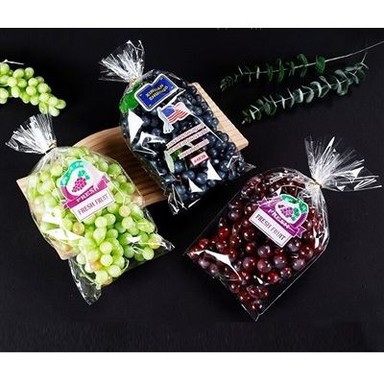
Recently, domestic fresh-keeping packaging enterprises such as Weifang Baileyuan have successively announced that their independently developed physically active fruit and vegetable fresh-keeping bags have officially obtained dual authoritative certifications from the U.S. Food and Drug Administration (FDA) and the European Food Safety Authority (EFSA). This makes them among the few Chinese fresh-keeping products that have simultaneously opened the door to high-end markets in Europe and the United States, marking that domestic fresh-keeping materials have achieved global synchronization in terms of safety standards and technological innovation.
It is understood that there are significant differences in market access thresholds between Europe and the United States. The U.S. FDA adopts a "substance list + limit value" supervision model, requiring products to pass migration tests in accordance with the standards specified in Title 21 CFR Part 177 to ensure that the migration of substances such as lead and plasticizers is below 10mg/dm². A technical director from Baileyuan revealed that the company spent half a year completing tests at a third-party laboratory accredited with ISO/IEC 17025 qualification, submitted a chemical safety file containing toxicological data, and finally obtained a Food Contact Notification (FCN) number.
The review by the European Union's EFSA focuses more on compliance with the "positive list". Its Regulation (EC) No 1935/2004 sets a strict limit of 0.05mg/kg for substances such as bisphenol A (BPA). Enterprises are required to additionally pass tests under extreme scenarios such as high temperatures and long-term contact, and retain technical documents for traceability for 10 years. The fresh-keeping bags use active masterbatches made from naturally roasted volcanic rock; due to the absence of chemical additives, they successfully passed EFSA's ingredient inspection.
"Dual certification is a touchstone for quality," an industry expert pointed out. Such products achieve physical fresh-keeping by absorbing ethylene and releasing negative ions, which is more in line with the needs of European and American markets compared with traditional chemical fresh-keeping methods. Currently, these fresh-keeping bags have entered the cold chain systems of supermarkets in Europe and the United States, and the annual export volume is expected to increase by 30%.