

Amidst The Global Cycle Of Rising Raw Material Prices For Thin Films, How Should We View This Situation Rationally?
Mar 24, 2026
Currently, the global flexible packaging industry is entering a new upward cycle for film raw material prices. Influenced by a confluence of factors-including fluctuations in international crude oil markets, shifts in supply-demand dynamics across the supply chain, and adjustments to upstream refining and petrochemical production capacities-the prices of core raw materials for food and produce packaging continue to rise. This trend has emerged as a key industry issue garnering significant attention from both domestic and international buyers and manufacturers alike. As a direct manufacturing facility with 35 years of experience in the sector, we have long specialized in the R&D and custom production of packaging bags for produce and food products. Drawing upon firsthand production data and prevailing industry trends, we offer an objective analysis of this current price surge, providing buyers in Europe and the Americas with a reliable basis for making informed decisions.
I. Current Status and Industry Data Reference Regarding the Latest Round of Raw Material Price Hikes
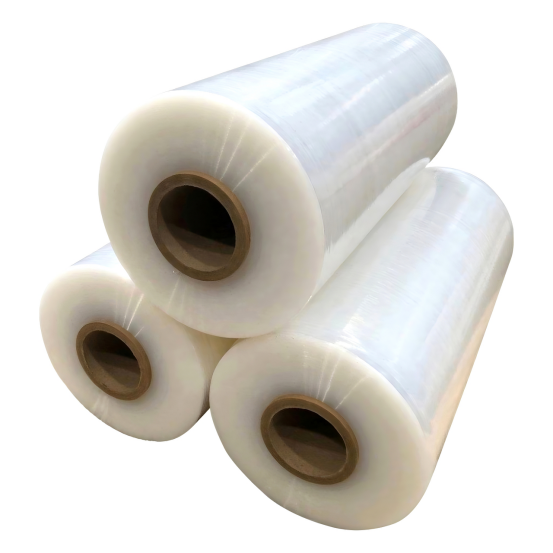
According to global plastics packaging industry monitoring data and domestic market trends for bulk raw materials, since the beginning of 2026, prices have risen significantly for key raw materials used in food-grade packaging-specifically, PE and CPP for outer films, as well as OPP, PET, and PA for inner films. Notably, the price of PE film raw materials has surged by over 1,400 RMB per ton compared to previous levels; core base materials such as CPP and PET have seen increases ranging between 12% and 18%; meanwhile, high-barrier inner film materials-such as Nylon (PA)-have experienced even more pronounced price volatility due to tight supply-and-demand conditions.
The current round of price hikes is not a short-term, sudden market anomaly; rather, it is the result of the combined effects of cost transmission through the upstream crude oil supply chain, adjustments in global logistics capacity, and a rigid rebound in downstream packaging demand. As such, it constitutes a cyclical fluctuation in industry costs, rather than a premium driven by a single specific segment.In the sectors of food, fruit and vegetable exports, and supermarket packaging, raw material costs account for over 65% of the production cost of packaging bags. Consequently, rising prices directly impact end-user procurement costs; however, the industry as a whole has not experienced any irrational price surges, and the dynamics of supply and demand remain within a controllable state of adjustment.
II. View Price-Hike Cycles Rationally: Avoid Blindly Following the Crowd and Focus on Long-Term Value
In the face of fluctuating raw material prices, buyers in Europe and North America need not be overly anxious. Instead, they should abandon the shortsighted "price-first" procurement mindset and shift their focus to three core pillars: quality stability, supply chain reliability, and cost optimization capabilities-thereby approaching industry cyclical changes with rationality.
First and foremost, rising raw material costs compel a process of natural selection within the industry; high-quality source factories will absorb a portion of the cost pressure-rather than simply passing the entire premium on to buyers-by optimizing production processes, enhancing raw material utilization efficiency, and strictly controlling production waste;In contrast, small-scale workshop-style factories are prone to irregularities-such as surreptitiously substituting base materials, reducing thickness, or compromising quality-which ultimately undermine the freshness preservation, airtightness, and safety of food and produce packaging, thereby increasing risks in both cross-border trade and retail sales.
Furthermore, packaging for food, fruits, and vegetables constitutes a category of essential goods; consequently, regulatory compliance and functional compatibility serve as the absolute baseline requirements. We consistently adhere to the use of food-grade PE and CPP for outer films, as well as standard OPP, PET, and PA for inner films. Throughout the entire production process, we strictly observe universal international manufacturing standards for food packaging, ensuring that our products are fully compliant and meet all regulatory benchmarks. This enables us to effectively cater to the specific packaging requirements of fresh produce and pre-packaged foods destined for markets in Europe and North America. Even during periods of rising raw material costs, we remain steadfast in our commitment to uncompromising quality, thereby safeguarding both our buyers' product safety and their market reputation.
III. From the Perspective of a Source Manufacturer: Pragmatic Solutions for Navigating Price-Hike Cycles
As a source manufacturer with 35 years of deep-rooted industry experience, we have established a comprehensive system for cost control and customized services to address the current cycle of rising raw material prices-thereby empowering buyers in Europe and the U.S. to effectively balance cost and quality.
①Stable Raw Material Supply Chain:We maintain long-term partnerships with leading raw material suppliers, securing core base material sources in advance to mitigate the risks of supply interruptions and sudden price spikes. This ensures the punctual delivery of orders and completely eliminates issues related to delivery delays.
②Streamlined Production for Cost Reduction:Through the optimization of automated production lines and upgrades to our precision cutting processes, we keep raw material wastage rates among the lowest in the industry. Simultaneously, we streamline production stages-such as lamination and printing-to effectively absorb cost pressures and ensure that our pricing remains highly competitive and reasonable.
③Customized Packaging Solutions: We offer exclusive, bespoke services tailored to the diverse packaging requirements of various food categories, fruits, and vegetables destined for Western markets. By optimizing film composition, thickness, and structural design based on specific product characteristics-without compromising packaging performance-we deliver highly cost-effective, customized solutions that strike an optimal balance between product freshness and procurement costs.
IV. Industry Outlook: Cycles Will Eventually Stabilize, Long-Term, Win-Win Cooperation Is Key
In accordance with the inherent dynamics of the industry, cyclical fluctuations in raw material prices are the norm. As global supply chains gradually normalize and the balance between supply and demand for production capacity is restored, prices will ultimately revert to a rational range. For buyers in Europe and North America, selecting partner factories at the source-characterized by deep experience, consistent quality, and controllable supply chains-holds far greater long-term value than becoming preoccupied with short-term price volatility.
For 35 years, we have specialized in the production of packaging bags, grounding our operations in regulatory compliance and quality while centering our approach on customized service. We have cultivated deep expertise in the fruit, vegetable, and food packaging sectors, backed by extensive experience in fulfilling cross-border orders. Even amidst cycles of rising raw material costs, we remain committed to transparent pricing, consistent quality, and efficient delivery. We look forward to partnering with businesses across Europe and the Americas to navigate industry fluctuations prudently and forge long-term, stable, and mutually beneficial partnerships.
Whether you require custom packaging bags for food, fruits, or vegetables-or simply wish to inquire about our latest pricing and material options-we invite you to contact us at any time. We are ready to provide you with a tailored, bespoke packaging solution.