

Decoding The Terminal's Attractiveness: 70% Of Purchase Decisions Are Triggered By Packaging. How Can American Fruit And Vegetable Packaging Bags Improve Supermarket Conversion Rates Through Material Selection And Design?
Oct 10, 2025
In supermarket fruit and vegetable sections, packaging plays a crucial role in the fleeting seconds consumers spend making purchase decisions. Data indicates that 70% of purchase decisions are directly triggered by packaging. Through precise material selection and design, American fruit and vegetable brands are turning packaging into a "salesperson" at the end of the line, effectively boosting conversion rates.
1. Material selection: win trust with functionality and environmental protection
The core demands of American consumers for fruits and vegetables are "freshness" and "sustainability", and the material selection revolves around these two points:
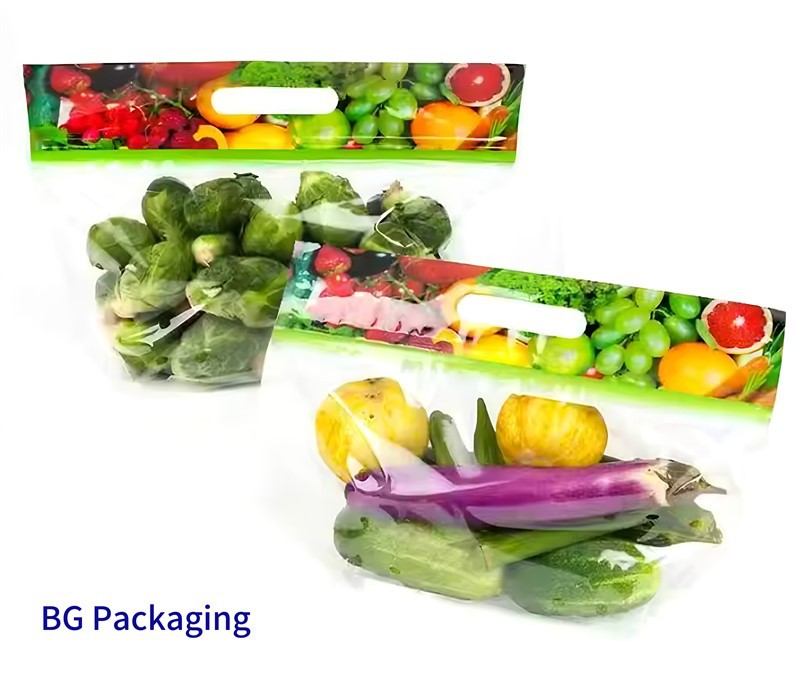
(1)Functional materials lock in freshness: For perishable berries, PE/PP composite anti-fog film is used to prevent mildew and extend shelf life by 3-5 days. Leafy vegetables are packaged in modified atmosphere packaging using high-barrier PA/PE composite film to control oxygen and delay spoilage. Over 80% of packaging uses food-grade PE with a light transmittance of over 92%, allowing the quality of fruits and vegetables to be clearly visible, such as the transparent OPP bags for California cherries.
(2)Environmentally friendly material labeling concept: 65% of consumers are willing to pay a 5%-10% premium for environmentally friendly packaging. Organic fruits and vegetables are mostly packaged in PBAT/PLA biodegradable plastics, while root vegetables are packaged in recycled pulp molded plastics. For example, the "Full Circle" carrot packaging is printed with "100% recycled and compostable", conveying low-carbon value.
2. Design strategy: 3 seconds to grab attention
Consumers only have a 3-second "attention window" for a single product. Therefore, the design must quickly complete the "attraction-trust-incentive purchase" closed loop:
(1)Transparency builds trust: Fully transparent packaging is the mainstream, such as the "Earthbound Farm" lettuce bags printed with real farm scenes, strengthening the "from farm to table" feeling; citrus fruits are packaged with windows, allowing people to touch the fruit and eliminate concerns.
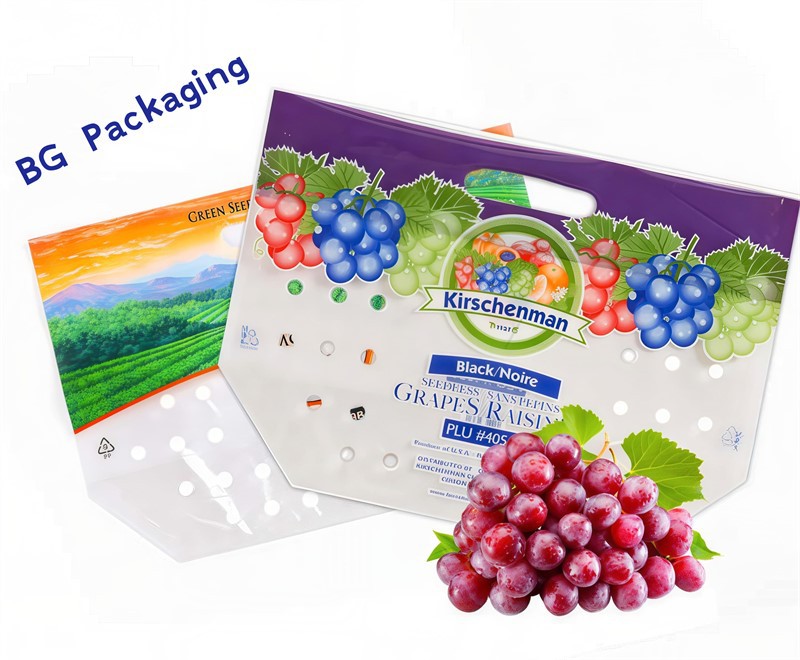
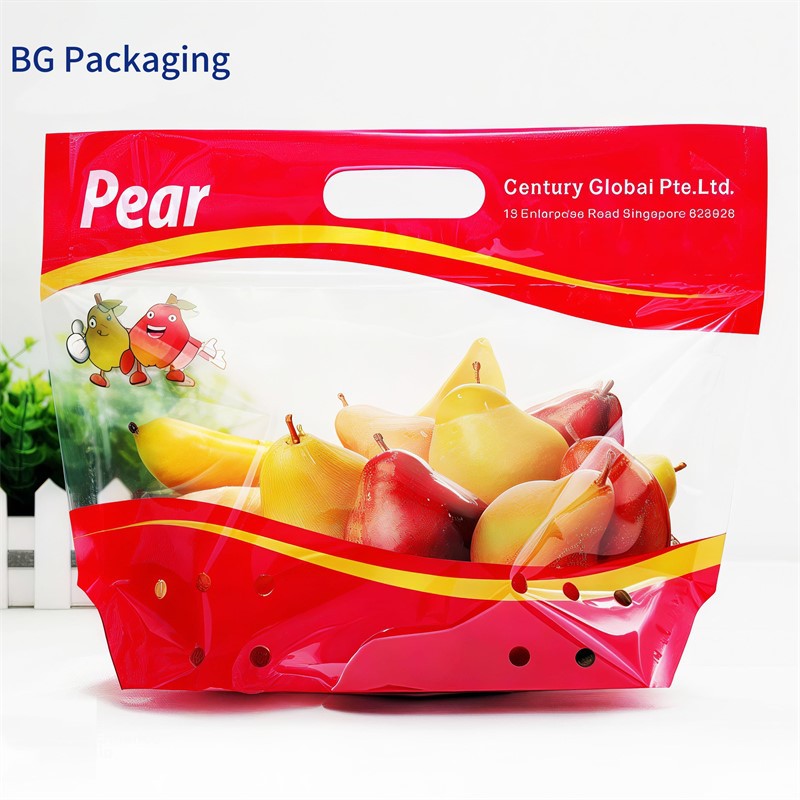
(2)Color graphics attract attention: vegetable packaging uses green to convey health, and fruit packaging uses highly saturated colors (strawberry red, mango yellow) to stimulate appetite; graphics are simple, such as the "Driscoll's" strawberry brand with a simplified fruit shape, and avocado packaging printed with a map of Mexico's origin.
(3)The information structure increases convenience: core information (organic certification, origin) is presented in large fonts with high contrast, and auxiliary information (how to eat) is placed on the side; the packaging is mostly small in size, with easy-to-tear or self-sealing mouths, and some root vegetables use a standing structure to enhance the usage and display experience.
Conclusion
The success of American fruit and vegetable packaging stems from understanding the needs of supermarkets: functional materials should be "fresh," environmentally friendly materials should be "sustainable," transparent designs should be "trustworthy," and convenient structures should be "practical." In an era of rapid decision-making, good packaging is the "end-user partner" that understands consumers and guides purchases, providing a reference for global brands.