

What kind of food packaging bags meet European and American environmental protection standards?
Oct 15, 2025
Driven by both EU PPWR regulations and US FDA standards, the environmental performance of food packaging bags has become a core pillar for market access in Europe and the US.But the choice of "whether it is environmentally friendly" is not an absolute answer - the key lies in the materials and full life cycle design, not a single "degradable" label.
Key Decisions for Environmentally Friendly Packaging Materials and Compliance
Traditional petrochemical-based plastics have been abandoned by the market due to their centuries-long degradation cycle. However, compliant eco-friendly packaging must be both environmentally friendly and recyclable. The EU requires EN 13432 industrial composting certification (degradation rate ≥ 90% within 6 months), while the US focuses on FDA food contact safety testing (chemical migration level ≤ 0.5 mg/kg).
Mainstream environmentally friendly materials and application scenarios in the European and American markets
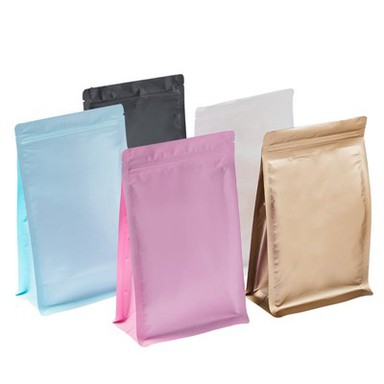
①Recycled plastic (rPET/single PP): The preferred choice of companies such as Nestlé and PepsiCo. rPET can reduce fossil fuel consumption by 70%, and single PP material increases the packaging recycling rate to over 90%, and is suitable for repackaging dry goods, snacks and other room temperature foods.
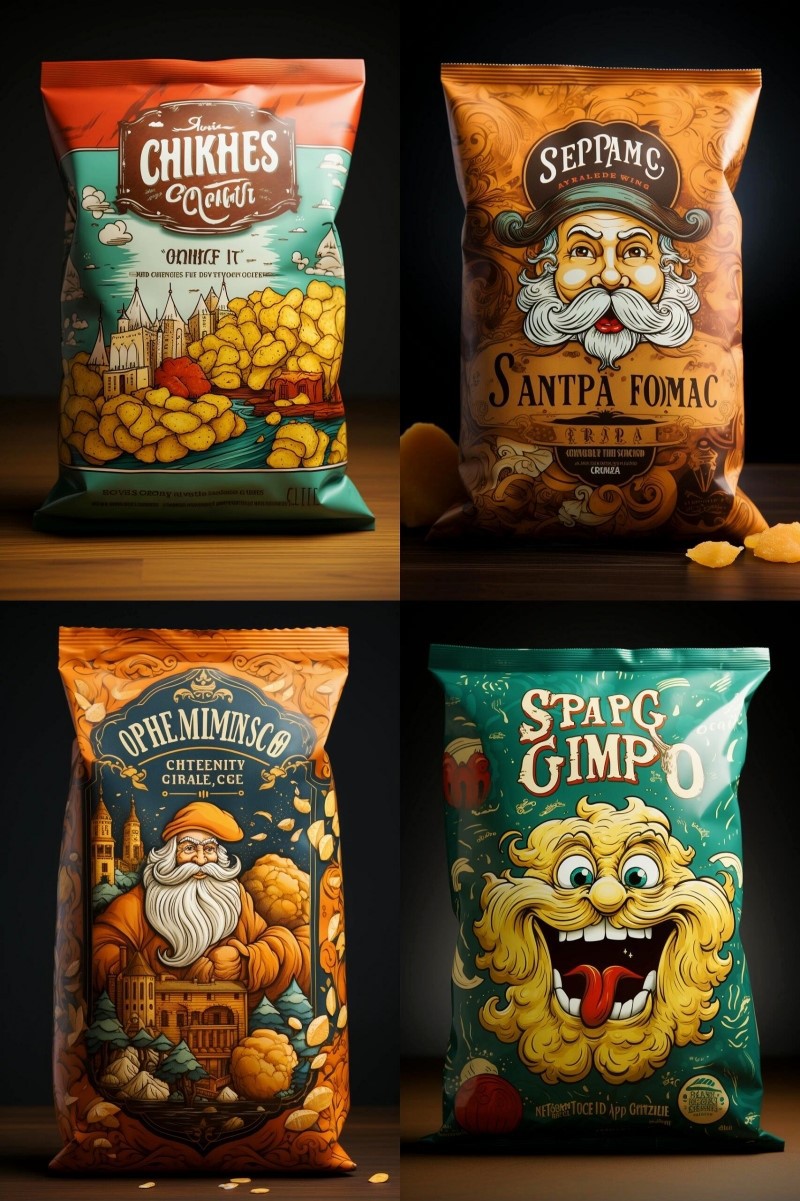
②Bio-based materials: Coca-Cola's 100% plant-based PET bottles have passed EU carbon footprint traceability requirements, while PLA (polylactic acid) is suitable for fresh produce packaging, can be degraded in 3-6 months in industrial composting, and meets US FDA food contact standards.
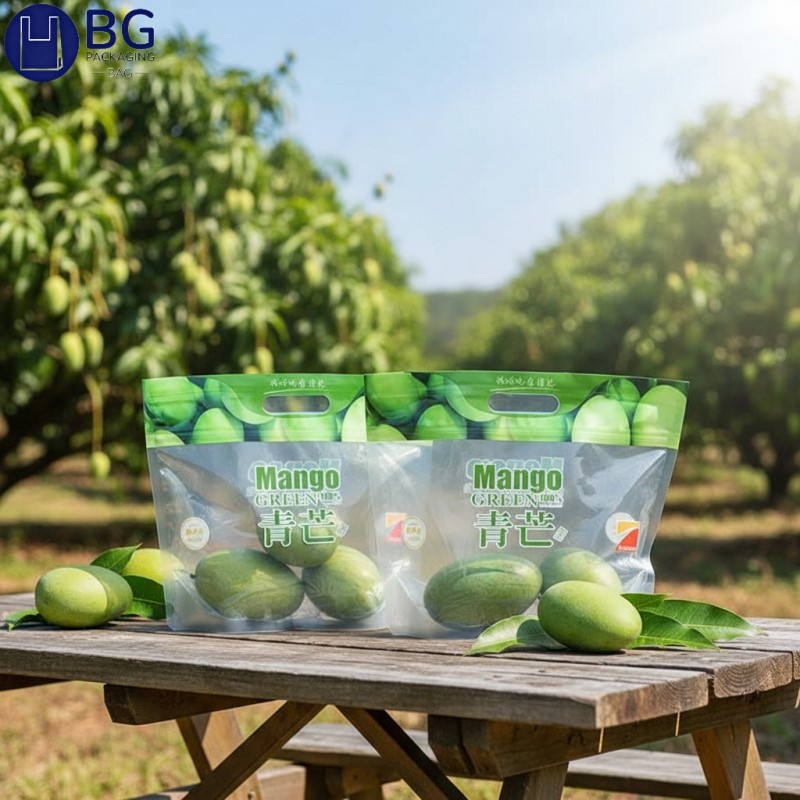
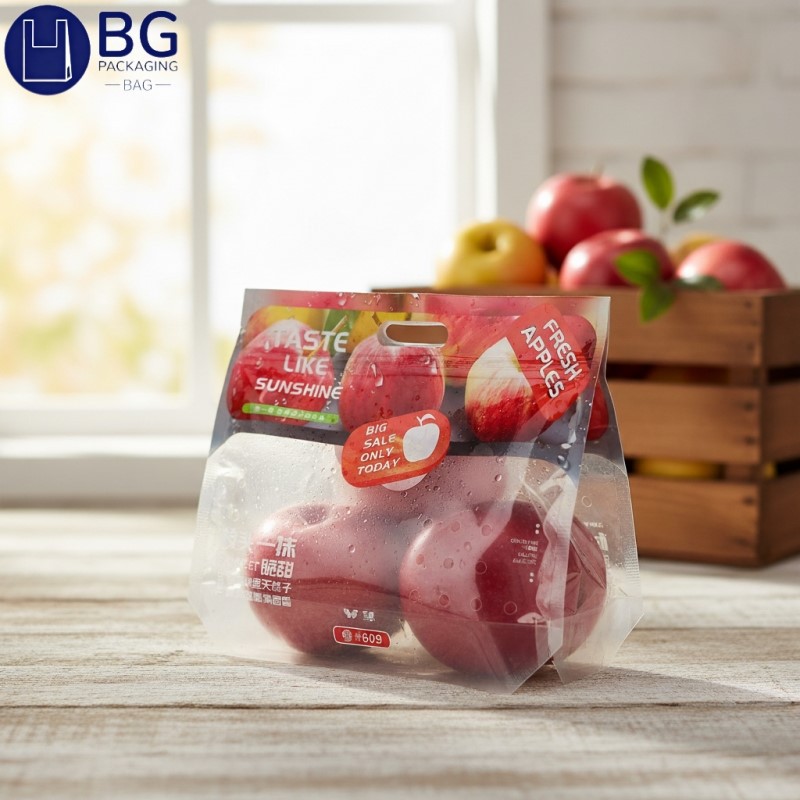
③Naturally compostable materials: Packaging made from materials such as seaweed extract and sugarcane bagasse can not only be upgraded to household composting but also meet EU heavy metal wastewater requirements, especially for fruit and vegetable packaging on farms.
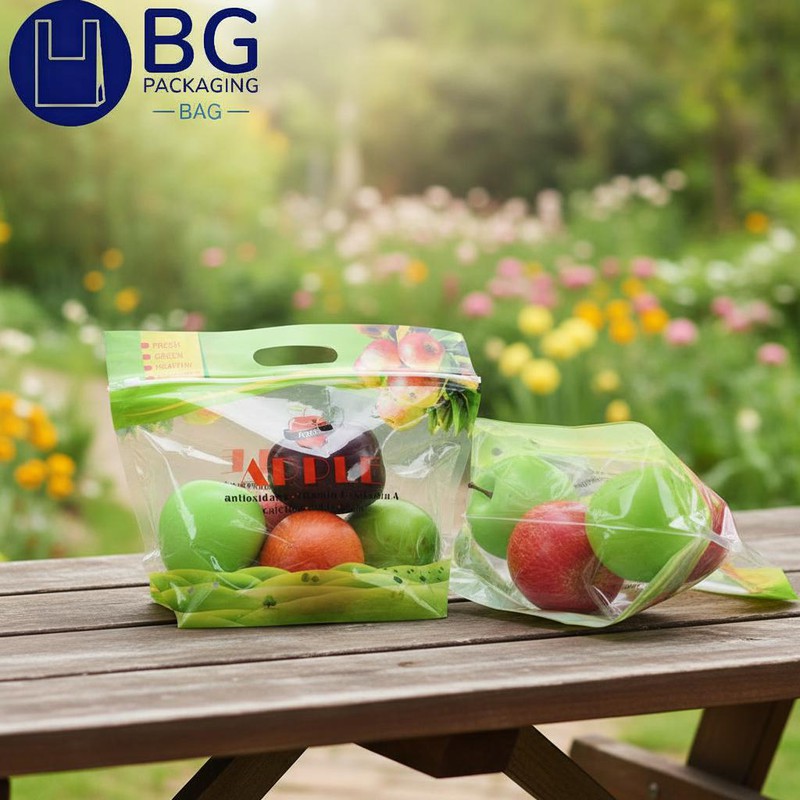
Customization: Targeting the Core Demands of the European and American Markets
As a source manufacturer, we precisely match material solutions to product characteristics: high-barrier PHA composite materials are used for oily foods, while freezer-resistant PLA blends are used for low-temperature products. We also align with the EU PPWR 30% recycled content requirement and California's new PFAS ban. From material certification to carbon footprint reporting, we ensure regulatory compliance and environmental benefits throughout the entire process.
Consult now for a customized eco-friendly packaging solution tailored to your product, helping you seize opportunities in the green consumer market in Europe and the US.