

How to extend the fruit shelf life and reduce post-harvest losses through packaging bags?
Sep 28, 2025
Maintaining fruit freshness after harvest, extending shelf life, and reducing shipping costs are key to ensuring profitability. Packaging bags, a crucial tool for post-harvest fruit processing, can effectively slow fruit spoilage by precisely controlling environmental parameters. The following explains their application from three perspectives: core principles, common bag types, and precautions for use.
1. The core principle of packaging bags to extend the shelf life of fruits
After being picked, fruits continue to respire and transpire. Respiration consumes sugar, releases heat, and accelerates water loss. Transpiration causes water loss, causing the skin to shrink and the taste to deteriorate. High-quality packaging bags solve this major problem through "physical barrier + environmental control".
①Regulating gas composition (controlled atmosphere): Most fruits (such as apples, pears, and mangoes) exhibit a "climacteric" respiratory rate. During autumn, they release significant amounts of styrene (which accelerates ripening and obesity), consuming oxygen and generating aeration. Packaging bag creates a "semi-sealed environment": allowing a large amount of oxygen to enter the fruit for basic respiration while increasing formaldehyde accumulation. This keeps formaldehyde concentrations within a reasonable range (typically 3%-8%, depending on the fruit variety), accelerating cell growth and delaying ripening and decay.
②Locking in moisture: Reducing transpiration. High-barrier films (such as PE and PP) in packaging bags prevent evaporation from the fruit, maintaining an optimal relative humidity range of 85%-95%. For example, unpackaged strawberries can lose over 10% of their moisture within 24 hours, causing them to wilt. Sealed packaging, however, limits moisture loss to less than 3%, maintaining the fruit's moisture content.
③Barrier film contamination and mechanical damage: The packaging bag can physically isolate the mold spores (such as Penicillium and Green mold that cause citrus rot) and mold growth in the air, while buffering the collision and extrusion during transportation or storage, reduce damage to the fruit skin - damaged fruit will release more ethylene and easily become a "breakthrough point" for mold growth, accelerating the deterioration of the entire batch of fruit.
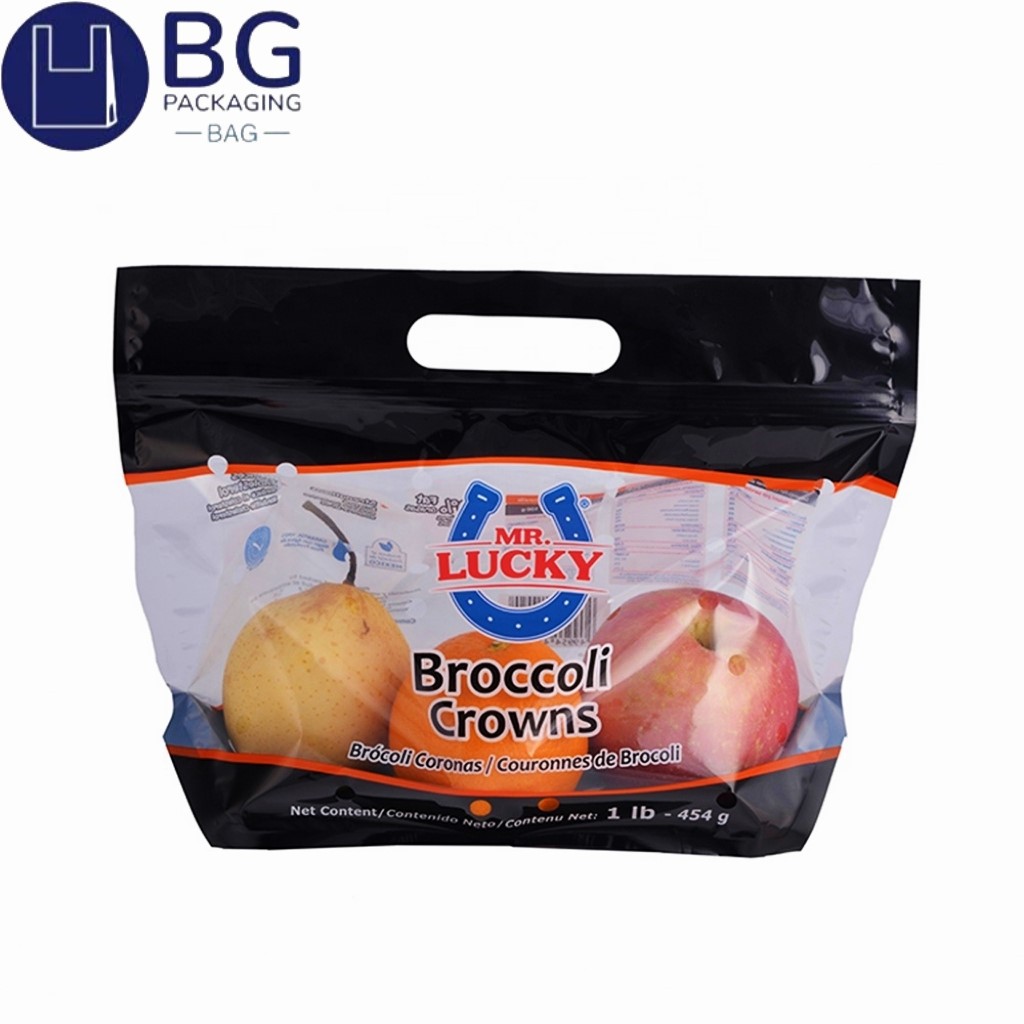
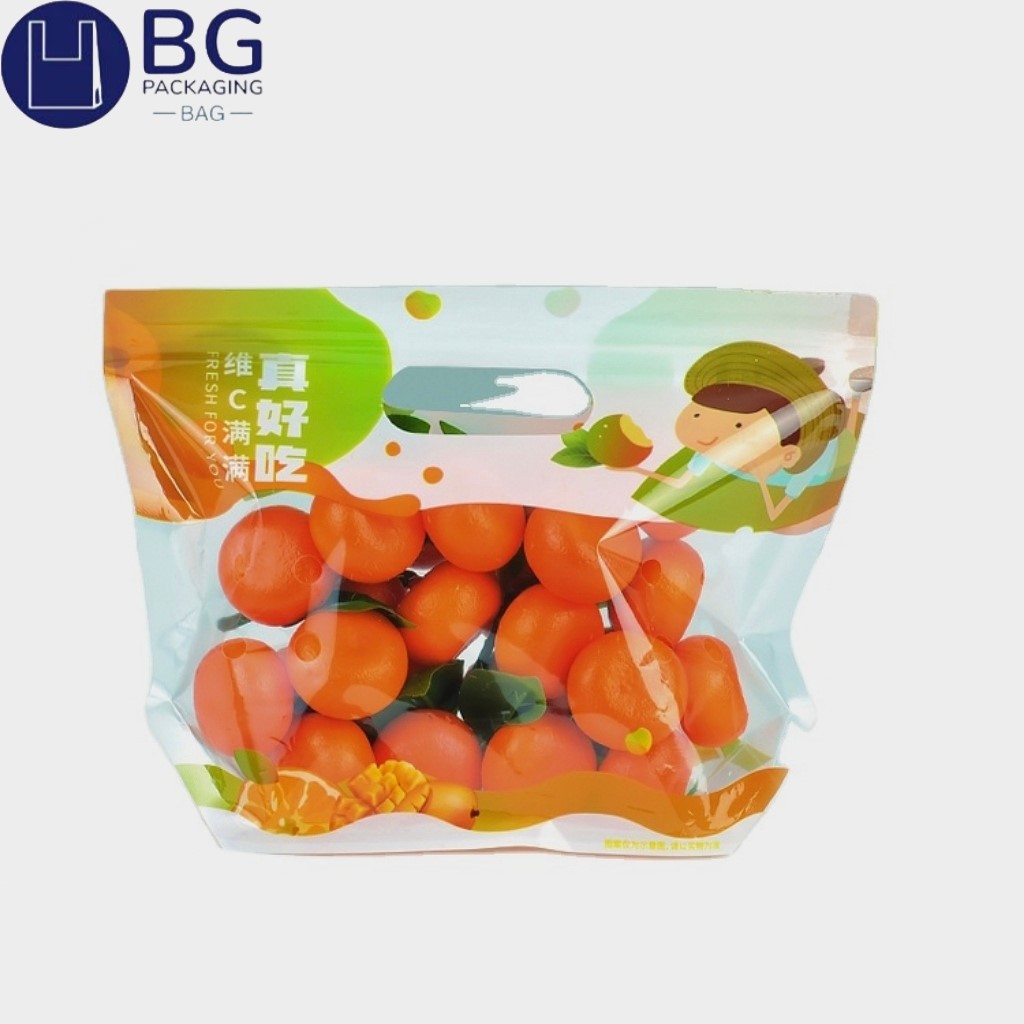
2.Common Fruit Packaging Bag Types and Application Scenarios
Different fruits have significantly different physiological characteristics, requiring a corresponding packaging bag type. The following four commonly used bag types and their applicable scenarios can be selected based on the fruit variety and popular demand:
|
Packaging bag type |
Core features |
Applicable fruits |
Advantages and Considerations |
|
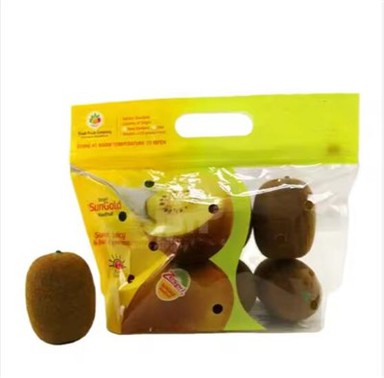
Micro-perforated Bags |
There are tiny air holes (pore size 0.1-0.5mm) on the film to balance the concentrations of oxygen, carbon dioxide and ethylene in the bag and avoid anaerobic respiration (which produces alcohol and causes the fruit to change its taste) |
Fruits with moderate respiration intensity, such as apples, pears, peaches, and plums |
Advantages: Manual ventilation is required, suitable for long-term storage (e.g. apples can be stored for 3-6 months); Note: The number of impurity holes must be consistent with the respiratory intensity of the fruit. Too few holes will cause the fruit to rot, while too many holes will cause water loss. |
|
Anti-fog Fresh-keeping Bags |
The inner wall is coated with an anti-fog coating to prevent water vapor from condensing into water droplets inside the bag (water droplets can breed mold) while maintaining high humidity |
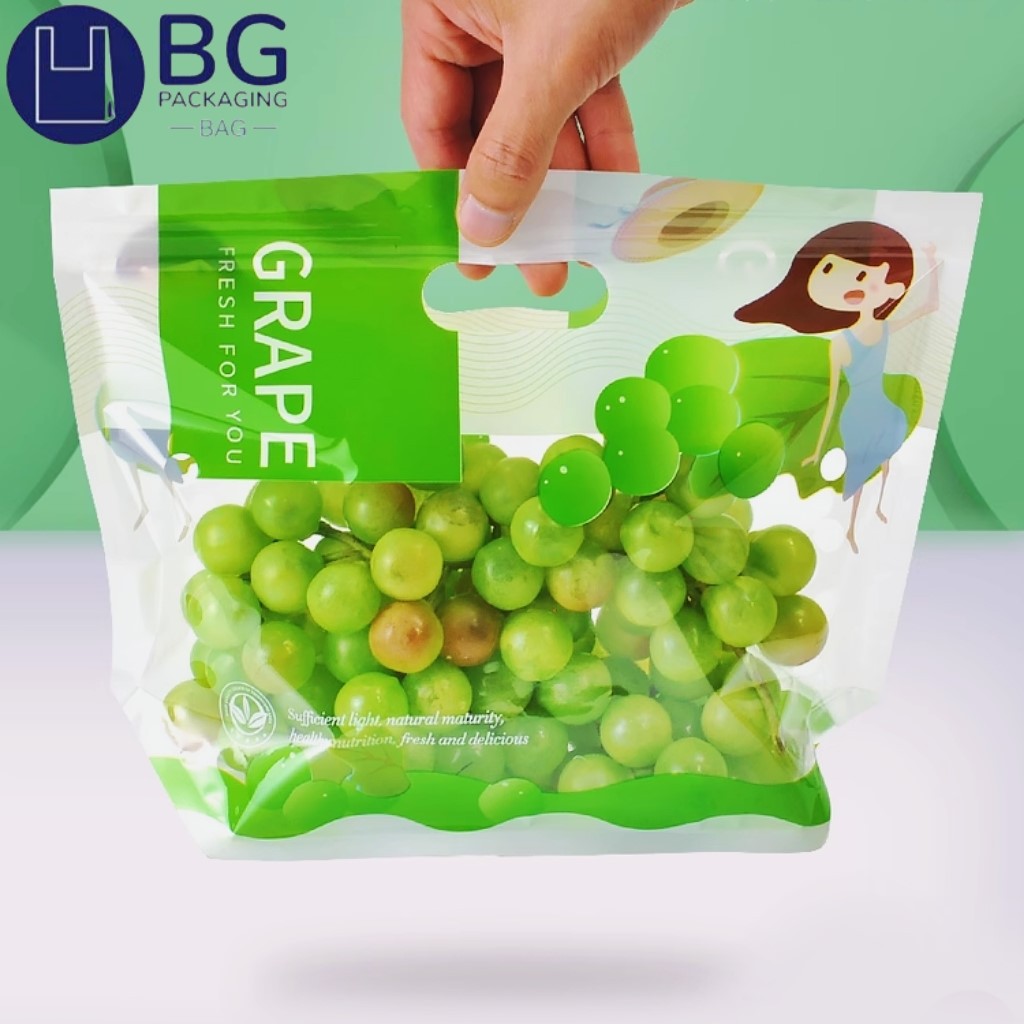
Berries such as strawberries, blueberries, grapes, and cherries |
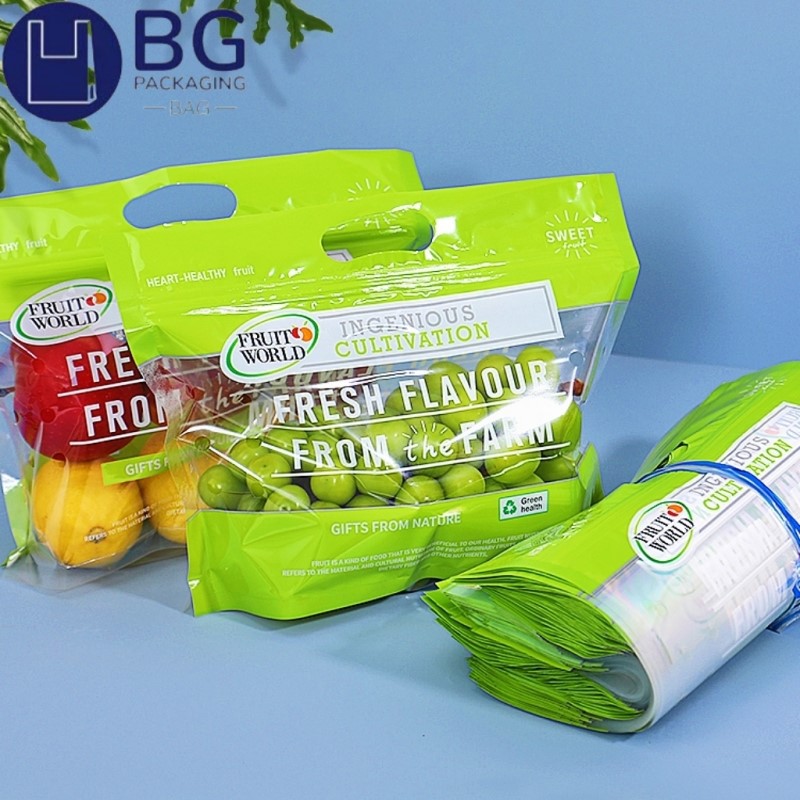
Advantages: The transparent material makes it easy for consumers to observe the state of the fruit and is suitable for display on supermarket shelves. Note: The bag must be sealed but not completely airtight. It is recommended to use a "small vent hole" to prevent excessive pressure inside the bag. |
|
Vacuum Packaging Bags |
Remove most of the air in the bag, inhibit the growth of aerobic bacteria, and significantly reduce the intensity of respiration |
Sliced fruit (such as apple slices, cantaloupe slices), avocado |
Advantages: Extends the shelf life of sliced fruit to 3-5 days (compared to 1-2 days with conventional packaging), making it suitable for pre-prepared food channels; Note: Long-term vacuum packaging of whole fruit is not recommended, as excessive pressure can easily damage the peel. |
|
Ethylene Absorbing Bags |
Add ethylene adsorbents (such as activated carbon, potassium permanganate carrier) into the bag to actively absorb the ethylene released by the fruit and delay ripening. |
Bananas, tomatoes, mangoes and other fruits that are sensitive to ethylene |
Advantages: Avoids "cross-ripening" (for example, when bananas and apples are stored together, the ethylene released by apples will accelerate the rotting of bananas); Note: The adsorbent needs to be replaced regularly, suitable for short-term circulation (1-2 weeks) |
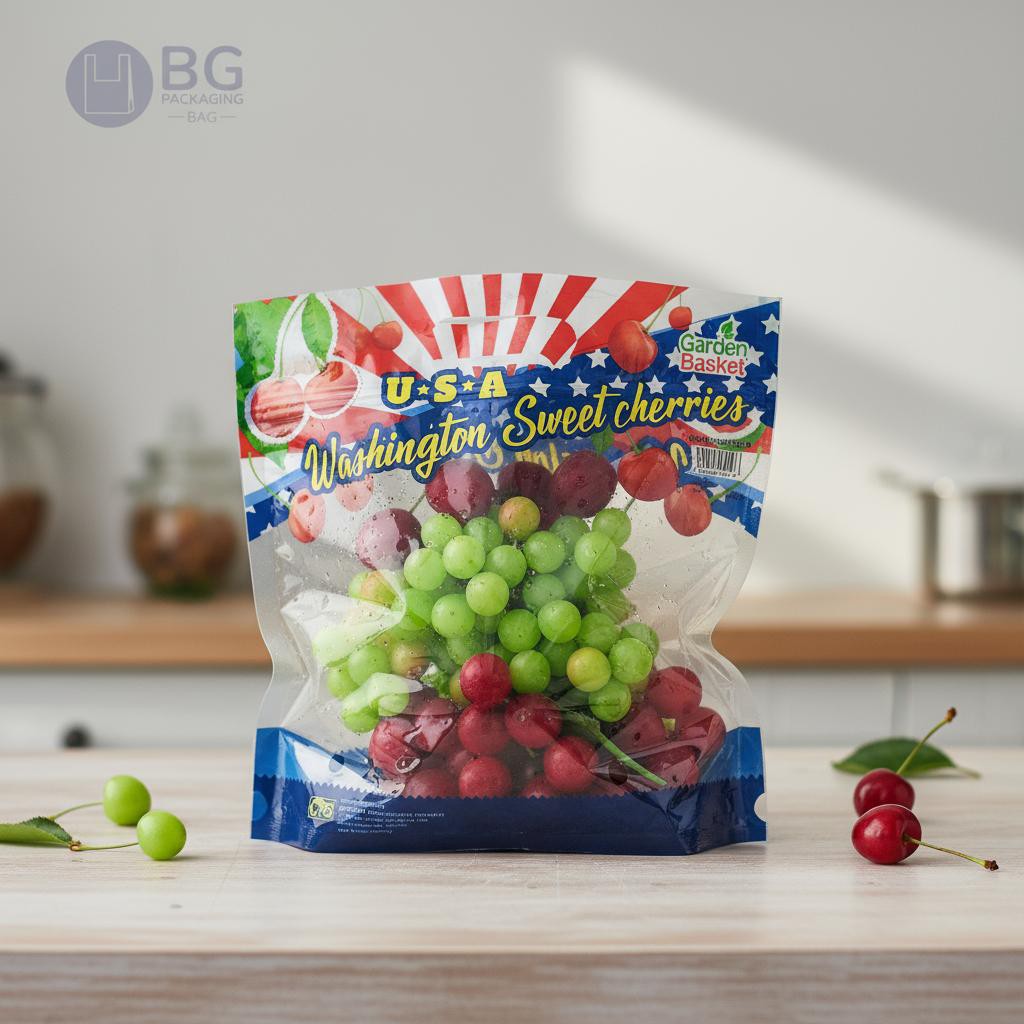
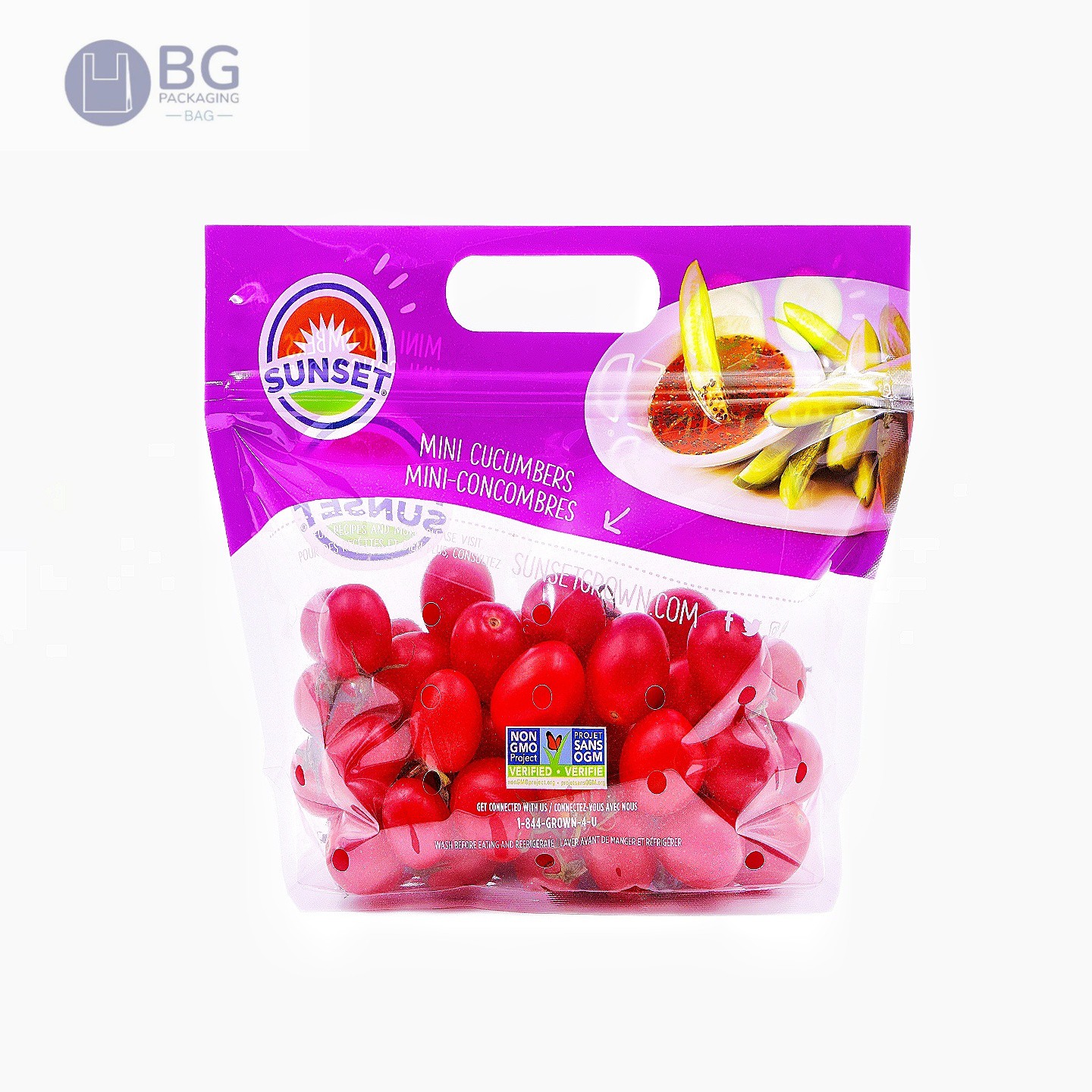
3.Key points for using packaging bags
①Pre-treatment: Ensure the fruit is clean, dry, and undamaged. Before bagging, remove any rotten or damaged fruit (rotten fruit releases large amounts of mold and ethylene, contaminating the entire batch). Wipe away any moisture from the fruit's surface-humid conditions accelerate mold growth, especially on berries.
②Appropriate size: Avoid over-packing or over-loosening. The bag should be slightly larger than the fruit, leaving a small amount of air space for air circulation, but not too large (too much air will remain inside the bag, making it difficult to effectively control the gas composition). For example, when packing grapes, leave 10%-15% of the bag empty.
③The core function of packaging bags is to delay spoilage, not replace low temperatures. Most fruits (such as apples and strawberries) are best stored at 0-4°C, while tropical fruits (such as mangoes and bananas) are best stored at 10-15°C. Using packaging bags in high temperatures (e.g., above 30°C) will actually affect the air circulation and accelerate the decay of the fruit.
④Labeling "Best Before" dates: To enhance consumer trust in the European and American markets, the "harvest date" and "recommended consumption date" must be marked on the packaging bags to comply with FDA food labeling requirements. This will also help staff and consumers handle expired fruits in a timely manner and reduce losses.
In short, by choosing the right type of packaging bag, standardizing the usage process, and meeting the requirements of low-temperature storage, fruit practitioners can reduce the post-harvest loss rate from 20%-30% (unpackaged state) to 5%-10%, while extending the shelf life by 2-5 times, which not only improves the quality of the fruit, but also creates higher economic benefits for the company.