

Reaching European and American consumers precisely: Three key codes for packaging bag design
Oct 17, 2025
Driven by the EU's PPWR regulations and US FDA bans, European and American consumers are becoming increasingly demanding when choosing packaging bags. Industry data shows that sales growth for packaging products with environmental certifications is 40% higher than for conventional products. Successful design requires precise grasp of three key areas.
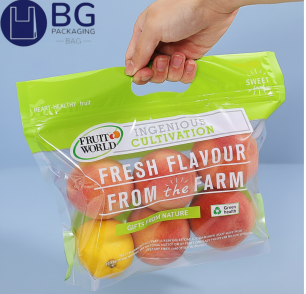
1.Sustainability is the barrier to entry.Single materials are becoming the mainstream choice, such as all-polymer wine bags, which increase recycling efficiency by 25% by eliminating the need for separating aluminum layers. The adoption of bio-based materials is accelerating, with innovative materials like mushroom mycelium and algae films having a degradation cycle of only 3-6 months, aligning with the "cradle to cradle" concept. Labeling of PCR content and carbon footprint is required, and certifications such as the German "Blue Angel" can bring a 15% market premium.
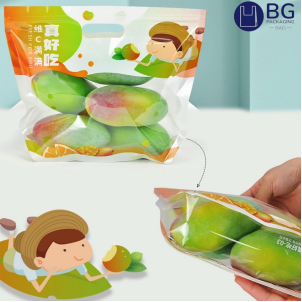
2.Functional innovation enhances experience value.Visual design is a breakthrough. Pure Sunfarms packaging with a transparent window reestablishes consumer trust by visually displaying product quality. Intelligent technology integrates features like temperature-sensing, color-changing materials, and freshness monitoring labels, meeting practical needs while enhancing interactivity. Lightweight and recyclable structures are popular, and designs like the "zero-tape carton" reduce waste by over 500,000 tons annually.
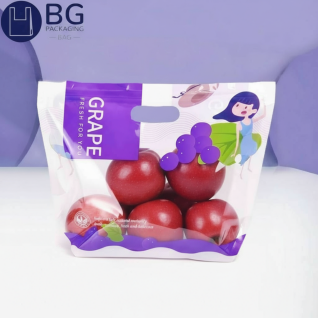
3.Emotional connection determines the desire to repurchase.Brand stories need to be tangible. One Good Thing's edible protein bar packaging uses an orange leaf base to convey a circular mindset and community values. Cultural adaptation is crucial. While the Nordic market favors minimalist lines, Southern Europe embraces vibrant colors and artistic expression. Misuse of cultural symbols is crucial.