

How do food packaging bags balance cost, effect and demand?
Oct 22, 2025
Food packaging is more than just a container; it's the crucial link between production, distribution, and consumption. In the fiercely competitive market, companies must master a balancing act that balances cost control, functional performance, and consumer demand, making packaging an extension of product strength.
1.Material selection
Materials are the core of packaging costs and the basis of functional effects. Scientific selection must be closely linked to food characteristics and precisely matched.
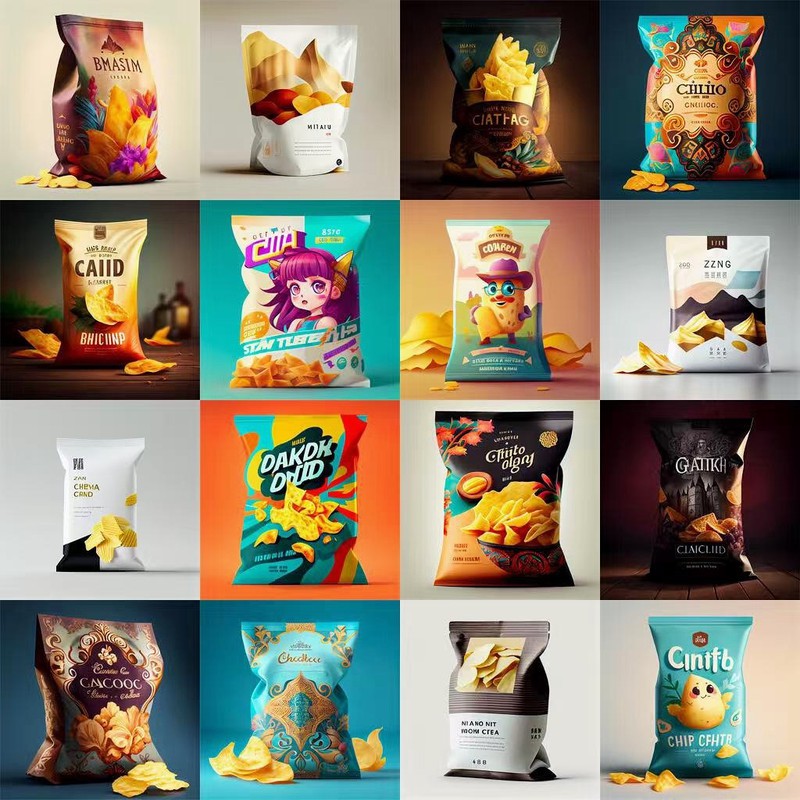
①For fragile snacks like potato chips, we use BOPP/PE composite film. The combination of a rigid outer layer and a tight inner layer improves puncture resistance by 40%. At the same time, bulk purchasing keeps material costs within a reasonable range.
②Prepared foods use a three-layer structure of PET/AL/RCPP. The aluminum foil layer reduces the oxygen transmission rate to 0.5cm³/m²・24h, achieving a long-term freshness of 6 months. Although the material cost is slightly higher, it saves the hidden expenses of adding preservatives.
2.Design structure
The core of packaging effect lies in the deep adaptation of structure and demand.
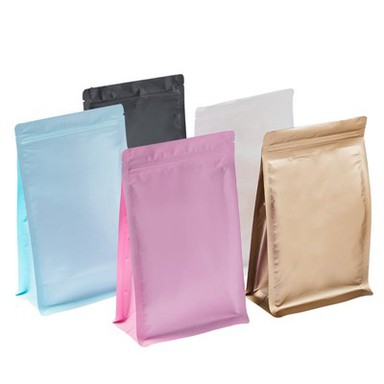
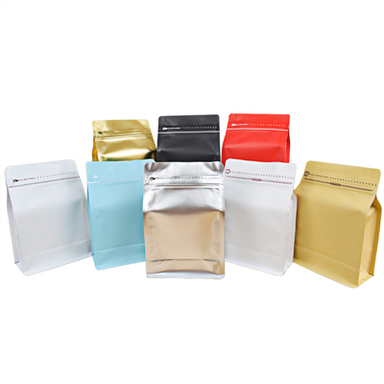
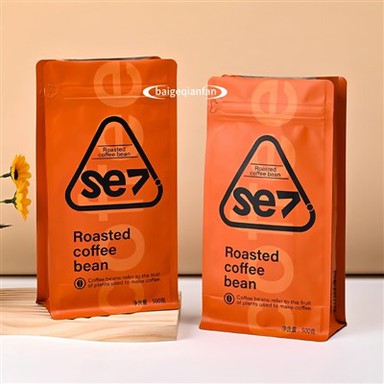
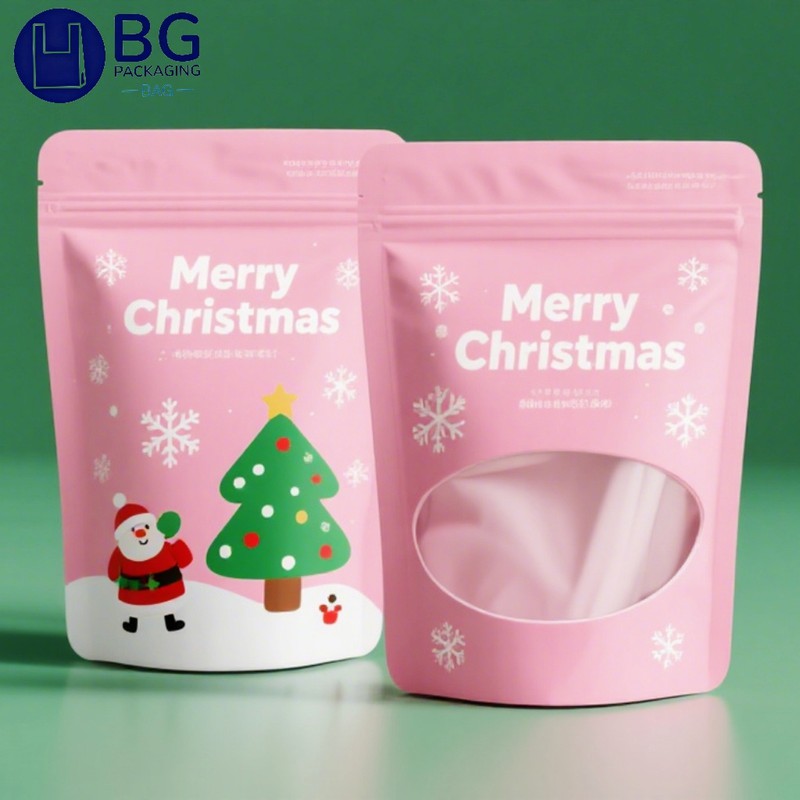
①Zippered stand-up pouches eliminate the problem of moisture after opening, increasing consumer repurchase intention by 22%.
② Pre-prepared meal packaging is equipped with an intelligent degassing valve. This one-way pressure regulation mechanism reduces the pressure inside the bag by 40% during microwave heating, completely eliminating the risk of rupture.
3. Meeting needs
Modern packaging needs to go beyond basic protection and accurately respond to consumer needs.
①To address health concerns, the high-temperature retort pouches have passed 121°C sterilization testing, extending shelf life without preservatives.
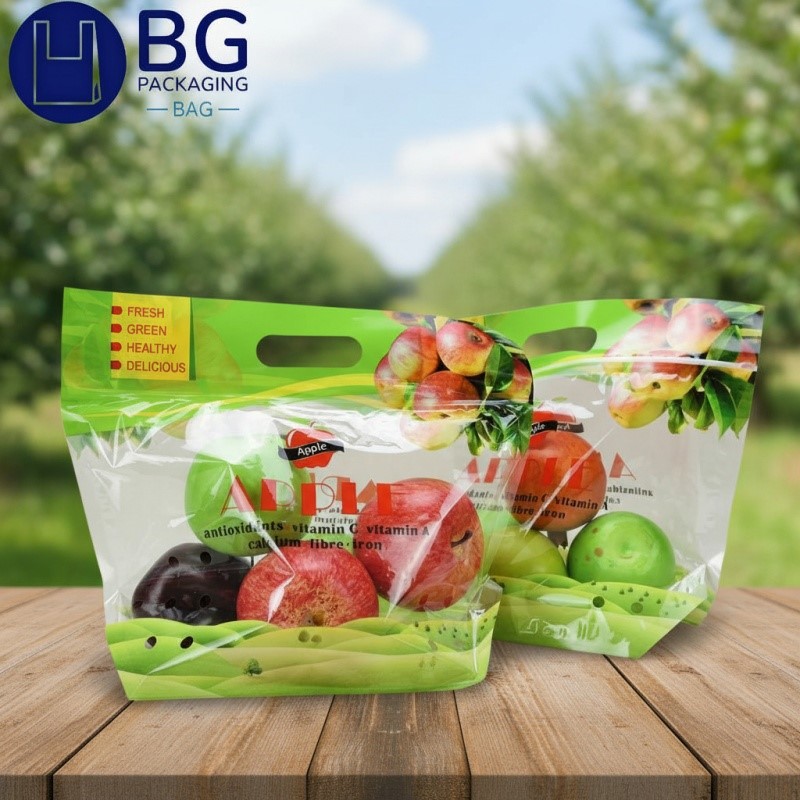
② For convenience, the candy packaging features a serrated tear notch and a hanging hole. Hard candies are designed for full transparency, while soft candies feature a non-stick coating and zipper closure.
③Companies can also flexibly adjust packaging through flexible design: acidic products use acid-resistant PET/AL/CPP structures, while oily products use KPET/CPP materials with excellent aroma retention, avoiding waste caused by excessive functionality. This "cross-customization" approach ensures that packaging meets food safety standards while also aligning with consumer habits.
From the careful calculation of material selection to the functional focus of structural design, the balance of food packaging bags is essentially "precise matching" - maximizing protective functions, consumer experience and brand value at the lowest cost. This is the packaging wisdom of the modern food industry.
Our factory has been customizing European and American food packaging for over 30 years. We offer solutions that comply with FDA and EU CE certifications, precisely control costs through the selection of materials, and customize the preservation structure and appearance based on your product's characteristics.
Contact us now to maximize your success in the European and American markets with our customized packaging bags.