

Plastic Packaging Recommendation
Feb 29, 2024
Experts Recommend the Best Packaging Bags for Food Items
Packaging bags provide one of the most significant ways to protect food items, maintain their quality, and extend their shelf life. There are different types of packaging bags, and the quality of packaging bags has a direct impact on the freshness of the food. Hence, experts recommend using packaging bags that have specific features for particular food items. This article explores the best packaging bags for various food items.
1. Fresh Fruits and Vegetables
Fresh fruits and vegetables require packaging bags that allow air to circulate, absorb moisture, and prevent contamination. Perforated bags, made from plastics, paper, or mesh, are recommended for packaging fresh fruits and vegetables. Such packaging bags are durable, affordable, and provide adequate protection to the contents. The perforations allow for circulation of air, preventing the build-up of moisture that causes spoilage. Additionally, the mesh or paper material allows for the escape of excess moisture, keeping the fruits and vegetables dry. Finally, packaging bags with unique biological additives, such as K-Sorb, can extend the shelf life of fresh fruits and vegetables by reducing ethylene and harmful bacteria build-up.
2. Grains and Dry Foods
Grains and dry foods require packaging bags that keep pests and insects out, prevent moisture build-up, and preserve freshness. For grains and dry foods, such as rice, flour, and beans, experts recommend using packaging bags made of a multi-layer material. The multi-layer material consists of a polyethylene layer, aluminum layer, and nylon layer. The polyethylene layer provides a barrier to moisture, preventing the contents from getting damp. The aluminum layer acts as an oxygen barrier, ensuring that the contents remain fresh. The nylon layer burn, which occurs when meat and poultry are exposed to cold air for an extended period.
4. Snacks and Chips
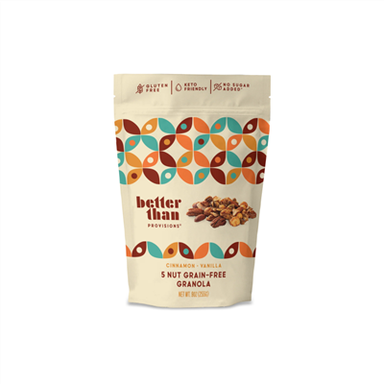
Snacks and chips require packaging bags that maintain their freshness, retain their shape, and are visually appealing. Experts recommend using stand-up pouches, which have a gusseted bottom, allowing the bags to stand on their own. The pouches can be made using different types of materials, such as plastic, paper, or foil, depending on the preference of the manufacturer. The stand-up pouches can be adorned with vibrant colors, attractive graphics, and fonts that appeal to the target market. Additionally, the stand-up pouches can incorporate various features, such as zip locks, tear notches or resealable strips, allowing the contents to be resealed after opening, thus preventing contamination.
In conclusion, different types of food items require different types of packaging bags. Fresh fruits and vegetables require perforated bags that allow for air circulation and moisture control. Grains and dry foods require multi-layered packaging bags that provide barriers to moisture and oxygen. Meat and poultry require vacuum sealing bags that prevent contamination and inhibit bacterial growth. Snacks and chips require stand-up pouches that maintain their appearance, are visually appealing, and have resealable features. Ultimately, the type of packaging bag used will determine the freshness, quality, and shelf life of the food item.