

How Is PLA Used in The Packaging Field? What Are Its Advantages And Limitations?
Oct 18, 2024
Compared with traditional packaging materials PE and PP, PLA has high transparency, good processability and good printability. It has advantages when used as packaging materials. It can be made into films, foaming materials and containers, such as soft packaging bags, plastic bottles, cushioning materials, disposable tableware, etc.
PLA Film
PLA films mainly include high-transparent films, heat-shrinkable films, pellet blended blown film bags and PLA-based composite films.
PLA film can replace traditional film materials as a new type of packaging material. For example, Walmart supermarkets require the use of fully degradable PLA film bags to replace traditional non-degradable PE bags. Japanese electronic products have also begun to use PLA nano-composite film packaging.
PLA foam material
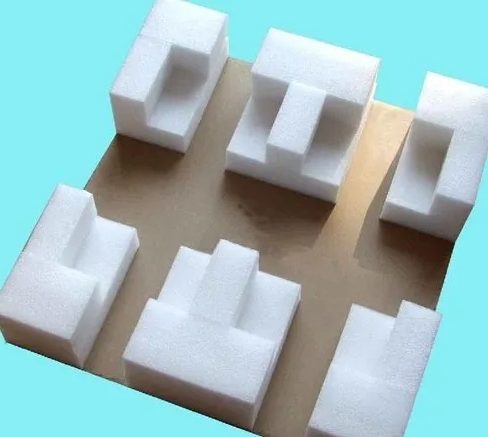
PLA foam material is also biodegradable and can be used to produce disposable tableware (such as fast food boxes, instant noodle bowls, etc.) and cushioning packaging pads without generating white pollution. For example, the "Graft" series of disposable tableware uses PLA foam material to design realistic fruit and vegetable shapes, which is both environmentally friendly and beautiful.
Compared with traditional PE and PP materials, PLA has a higher melting point (about 180°C) and better processability. The hardness and mechanical properties of PLA are similar to those of traditional resins, and it has good transparency and excellent gloss, making it particularly suitable for use as packaging materials.
However, compared with high-barrier nylon, polyvinylidene chloride, etc., PLA has poor oxygen and water vapor barrier properties, insufficient protection for oily foods, and poor toughness, low heat deformation temperature, and poor impact resistance, and often cannot meet the requirements of circulation in harsh environments. In addition, PLA's degradation cycle is difficult to control, and its price is slightly higher than traditional resins (about 30,000 yuan/ton), so it is not advantageous for use as packaging at this stage.
Although PLA has shortcomings such as brittle texture, heat resistance, and poor barrier properties, these shortcomings can be corrected through copolymerization, blending, plasticization, etc. In recent years, domestic and foreign scholars have actively studied the polymerization process and modification technology of PLA, and developed a variety of green packaging materials using PLA as raw materials.