

Under the new regulations in Europe and the United States in 2025, how can food packaging balance material compliance and cost control?
Nov 07, 2025
In February 2025, the EU's EU 2025/40 "Packaging and Packaging Waste Regulation" officially came into effect. Coupled with the implementation of new regulations on limits for hazardous substances such as PFAS, the compliance requirements for food packaging in the European and American markets have been comprehensively upgraded. How to control costs while meeting the standards has become the focus of the industry.
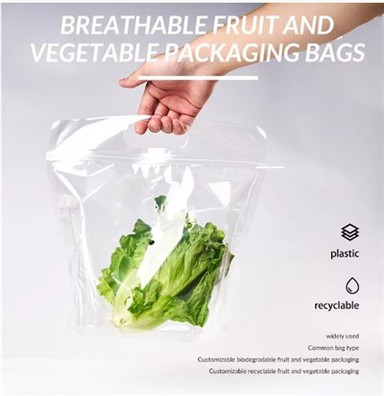
The new regulations establish a full life-cycle management system: the total concentration of four heavy metals, including lead and cadmium, must be below 100 mg/kg; starting in 2026, the concentration of PFAS in food contact packaging must meet specific limits; all packaging must reach a recyclable level; and from 2030, non-compliant products will be restricted from entering the market. This imposes rigid requirements on material selection, while cost pressure often becomes a pain point for enterprises.
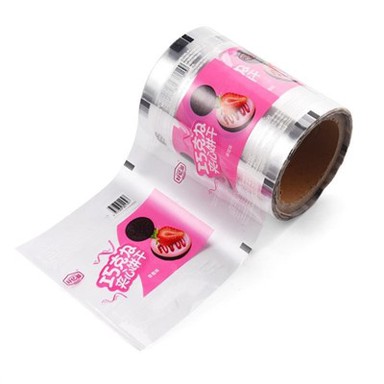
A source factory with 34 years of experience in the packaging industry offers a practical solution: using a classic combination of CPP/PE outer film and OPP/PET/PA inner film, ensuring material purity through a raw material traceability system, and avoiding the risk of excessive harmful substances from the source. At the same time, leveraging the advantages of large-scale production, the film thickness ratio is optimized to reduce unit material costs while meeting barrier performance and recyclability requirements.
In response to the new regulations' requirements on recycled content, the factory proactively planned for material combination innovation. For example, it precisely incorporated compliant recycled ingredients into the PET inner film, which not only meets the interim target of 30% recycled content but also avoids performance loss through process optimization, reducing costs by 12% compared to entirely new material solutions. Coupled with a modular customized production model, it can quickly respond to the packaging needs of different food categories, reducing R&D and inventory waste.