

The Rise of Single-Material Thin Films: Why Recyclable CPP/OPP is Gaining Favor in European and American Markets
Dec 08, 2025
Driven by the global wave of sustainable development and increasingly stringent environmental regulations (such as the EU's Packaging and Packaging Waste Regulation (PPWR)), the packaging industry is undergoing a profound materials revolution. Among these, mono-material recyclable films, with their excellent recyclability and continuously optimized performance, are rapidly becoming the preferred solution for European and American brands and buyers. The recyclable CPP-coated OPP structure based on polypropylene (PP) is the focus of this trend.
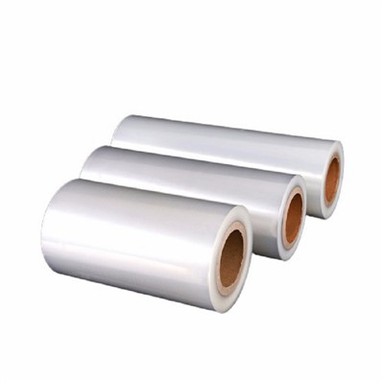
While traditional composite films (such as PET/PE) offer excellent performance, the difficulty in separating their different materials often renders them "design waste" during recycling. Single-material CPP/OPP films fundamentally solve this problem: CPP (cast polypropylene) and OPP (oriented polypropylene) belong to the same polypropylene family, eliminating the need for complex separation during recycling. They can easily enter existing PP recycling streams, significantly improving the end-use recyclability and circular economy value of packaging. This aligns perfectly with the EU's new regulations' core requirement of "designed for recycling" packaging, mitigating potential compliance risks for brands.
Beyond its environmental advantages, technological advancements have enabled modern single-material CPP/OPP films to meet mainstream performance requirements in key aspects. Through improved coating and processing techniques, it excels in moisture barrier properties, heat-sealing strength, transparency, and printability, making it widely applicable to packaging for dry or moderately barrier-sensitive products such as food, daily chemicals, and pet food. This provides brands with a reliable option that achieves sustainability goals without sacrificing performance.
Market data also confirms this trend. Multiple industry reports predict that over the next five years, the annual growth rate of polypropylene-based single-material flexible packaging in the European market will significantly exceed that of traditional composite materials. This is not only driven by regulations, but also by end consumers' clear preference for environmentally friendly packaging, prompting brands to proactively upgrade their supply chains.
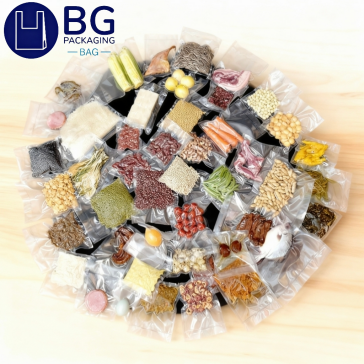
For European and American buyers seeking reliable, compliant, and future-proof packaging solutions, choosing a technologically mature, clearly recyclable single-material CPP/OPP film is no longer a forward-looking issue, but a practical business decision. It represents a win-win situation of environmental responsibility, product protection, and cost-effectiveness through a more streamlined material structure.